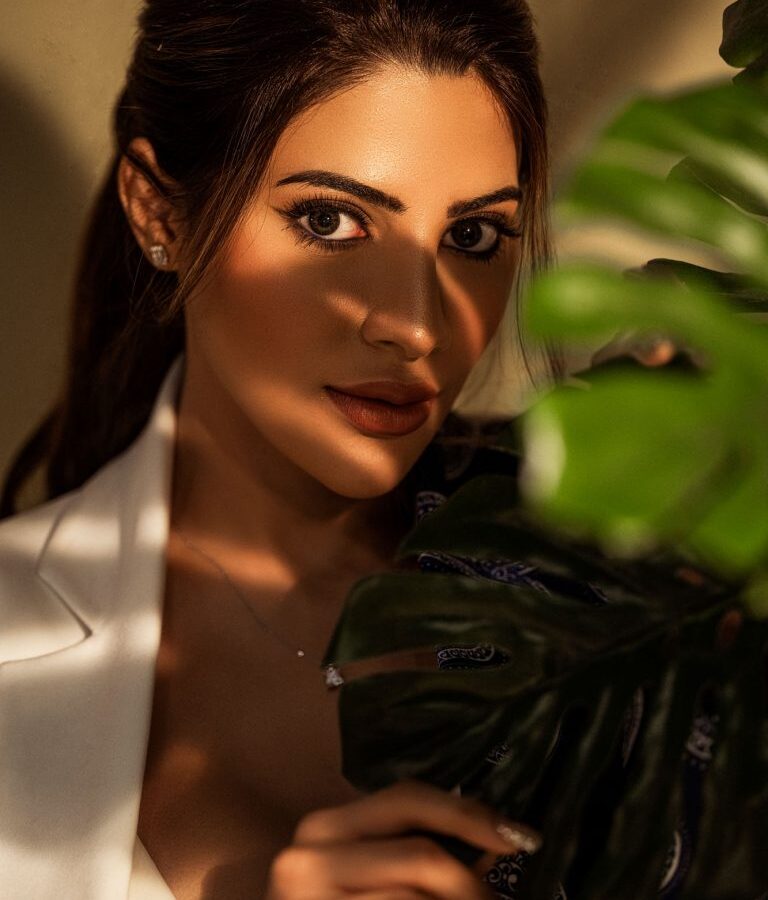
15 Years of Delhi Fashion Photography — What Changed comes down to one big shift: Delhi fashion photography moved from portfolio-first, magazine-led image-making to a much faster, more commercially layered visual culture. Today, brands want campaign versatility, models need cleaner digital portfolios, and photographers are expected to create editorial, social, beauty and ad-ready frames in the same working ecosystem.
That shift did not happen in one dramatic moment. It happened slowly through changing magazines, changing clients, the rise of social media, the explosion of ecommerce, smarter makeup and retouching workflows, and a much wider understanding of what fashion images are supposed to do. Fifteen years ago, a strong image could live quietly in a portfolio, a print feature or a designer presentation. Today, the same image often has to work across a website, a billboard, a reel, a campaign deck and a casting conversation.
For anyone who has watched Delhi fashion photography evolve over a long stretch, the biggest difference is not just style. It is speed, purpose and expectation. The city still values glamour, polish and ambition, but the way that ambition gets photographed has changed a lot.
From Magazine Aesthetic to Multi-Platform Thinking
There was a time when fashion photography in Delhi was shaped heavily by editorial taste. Magazine covers, designer stories, celebrity shoots and portfolio books often set the tone. The work could be slower, more controlled and more oriented toward a polished final still image. Today, the same market is far more fragmented and demanding. A beauty image might need to feel editorial and conversion-friendly at the same time. A fashion portrait might need to satisfy a designer, a social team and a PR team all together.
That change has made photographers more flexible, but it has also made visual decision-making more strategic. Lighting, framing and styling now have to anticipate multiple outcomes instead of one final print destination.
Model Portfolios Became Cleaner and More Strategic
One of the clearest changes in these fifteen years is the way model portfolios are built. Earlier, many books leaned harder into glamour, heavier styling and more overtly polished beauty. Today, agencies and serious photographers usually want much more clarity. They want to see the face, posture, body language and range quickly. Newer portfolios are often cleaner, sharper and more intentional.
This matters because the market has become more competitive. Models are seen faster, judged faster and submitted more often digitally. A cluttered portfolio simply does not perform as well. In modern Delhi fashion photography, the best model books usually open with clean headshots, mid-length portraits and full-length frames before moving into stronger editorial or beauty looks.
Beauty and Skin Rendering Changed Dramatically
Another major difference is how skin is photographed and finished. Older commercial beauty work often leaned toward heavier smoothing and a more artificial polish. Over time, clients, photographers and audiences began preferring a more believable finish. Good skin still matters, but now the best retouching usually preserves texture, dimension and realism instead of erasing the person.
This has improved fashion and beauty photography overall. Faces feel more modern, more premium and more trustworthy when they are refined without becoming plastic. That change alone has had a big effect on the quality of contemporary Delhi-based beauty and fashion work.
Lighting Became More Controlled, But Also More Efficient
Fifteen years ago, many shoots could afford to move at a more deliberate pace. Now, production rhythm is faster. Teams still care deeply about quality, but efficiency matters much more than before. That has changed lighting choices. Photographers need setups that are beautiful, repeatable and adaptable. They need to move between beauty, full-length, ecommerce, campaign and social-friendly frames without rebuilding the entire shoot from zero each time.
As a result, lighting in today’s Delhi fashion photography is often cleaner and more modular. It is not necessarily simpler. It is just more functional. Strong photographers build systems on set now, not only single hero images.
Social Media Changed Taste and Casting
No discussion about the last fifteen years is complete without social media. Instagram and now short-form video have changed the visual language of fashion completely. Faces are discovered there. Models are judged there. Moodboards are built there. Trends spread there. That has made fashion photography more immediate, but also more disposable if the work does not have depth.
The interesting thing is that social media did not make good photography less important. It made clarity more important. In a crowded feed, a strong image has to communicate faster. But for the image to survive beyond the feed, it still needs proper craft: styling, light, expression, balance and finish.
Advertising and Fashion Moved Closer Together
Earlier, editorial fashion, ad photography and model portfolio work could feel more separate. Today, the lines blur far more often. A brand campaign may want the polish of editorial. A portfolio shoot may need to look commercially viable. A celebrity fashion image may need ad-level finish. This overlap has pushed photographers to become more versatile.
That is one reason strong photographers in Delhi now often work fluidly across celebrity portraits, designer campaigns, model books, beauty stories and commercial fashion assignments. The market rewards people who can move across those categories without losing their visual identity.
Client Expectations Became Sharper
Clients today are usually more visually informed. They arrive with references, campaign decks, social expectations and clearer brand language. That can be challenging, but it has also made conversations more specific. Photographers are now expected to understand not only aesthetics, but brand positioning, audience behaviour and platform fit. In practical terms, that means Delhi fashion photography today is as much about interpretation as execution.
The photographer is not just shooting a look. The photographer is translating a brief into images that can work commercially and still feel elevated.
Delhi Still Has Its Own Fashion Energy
Even with all these changes, Delhi still carries a distinct fashion character. There is still appetite for drama, couture, jewellery, polished glamour and larger-than-life styling. But that energy is now balanced by cleaner global references, smarter beauty direction and more commercial awareness. The best work coming out of Delhi today often combines local confidence with international control.
That mix is what keeps the city visually interesting. It is not trying to look like everywhere else. It is evolving while still holding on to its appetite for impact.
What Has Stayed the Same?
Good faces still matter. Strong styling still matters. Discipline on set still matters. The ability to direct expression, shape posture and control the frame has not become less important. If anything, the faster and noisier the market becomes, the more valuable those core skills are. Technology changed workflows. Platforms changed delivery. But the foundations of strong fashion photography did not disappear.
The work still has to feel intentional. It still has to make people stop. And it still has to communicate identity through image.
Final Thoughts
If you look at Delhi fashion photography over the last fifteen years, the story is really one of expansion. The market became faster, broader, more digital and more demanding. But it also became more interesting. Photographers today are expected to do more, but they also have more opportunities to shape fashion images across categories and platforms.
What changed most is not just the look of the images. It is the job those images are expected to perform. And that is exactly why fashion photography in Delhi today feels so different from what it was fifteen years ago.
Book your model portfolio shoot or Ad shoot with Praveen Bhat call or wtsap 9810552122 →