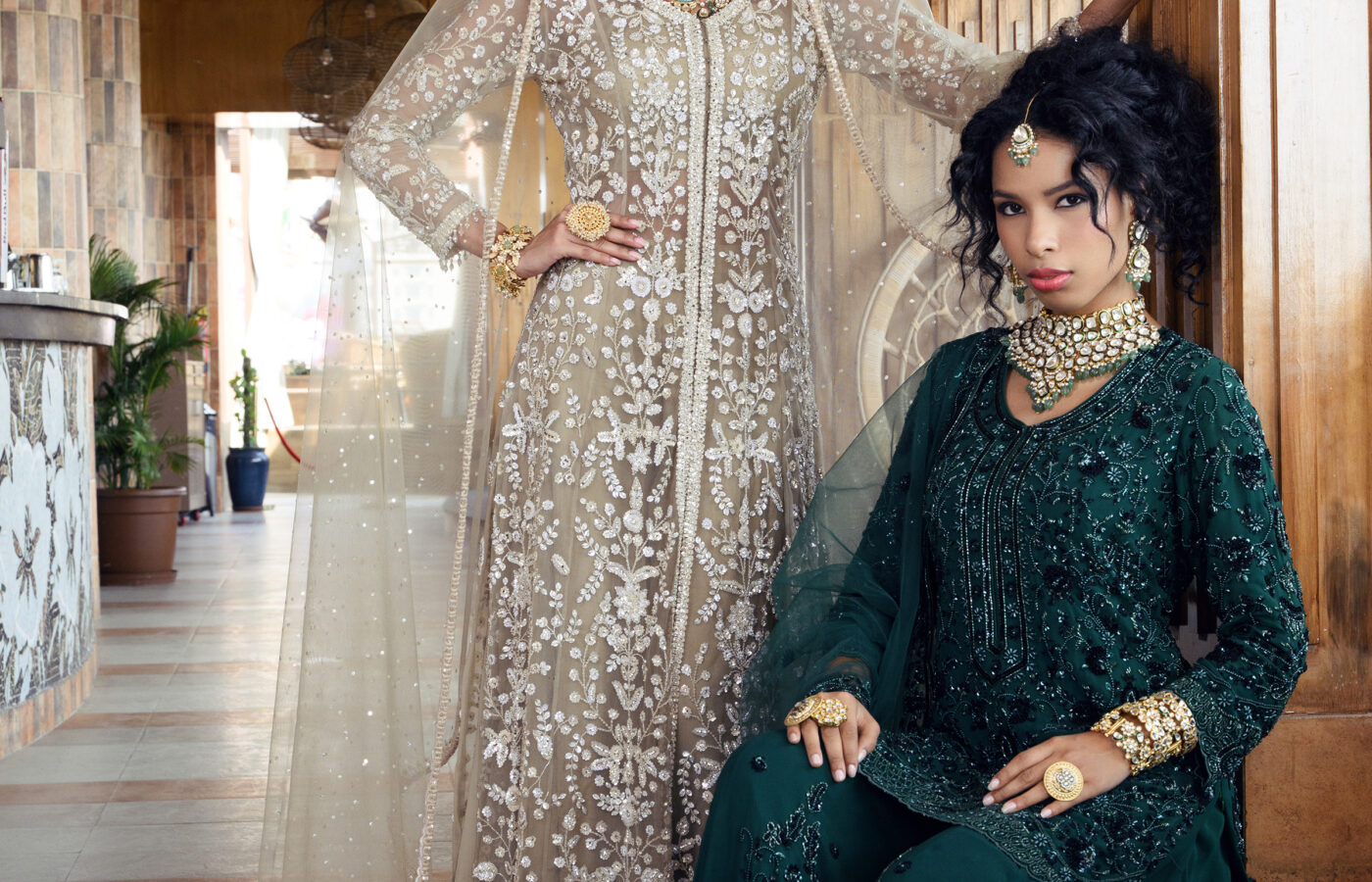
Saree & Indian Ethnic Wear Photoshoot Tips for Models start with posture, hand control, clean drape management and expression that matches the garment. A strong ethnic shoot should show grace, fabric flow, jewellery balance and face clarity without overposing. For models, the goal is to look elegant, current and camera-aware, not stiff, overloaded or bridal by default in every frame.

If you are building a fashion portfolio in India, knowing how to shoot sarees, lehengas and Indian ethnic wear properly is a real advantage. Designers, jewellery brands, couture labels, festive campaigns and bridal-focused clients all need models who can carry ethnic styling with confidence. The mistake most beginners make is treating ethnic wear like western fashion posing. It needs a different rhythm, a different body language and much better awareness of drape and detail.
As a photographer, I have seen the difference immediately. A model can have a strong face and still lose impact in ethnic wear if the hands look awkward, the neck looks tense or the outfit is not being presented correctly. On the other hand, when expression, posture and styling awareness come together, Indian wear photographs beautifully and looks premium very quickly.
1. Understand That Ethnic Wear Needs a Softer Posing Language
The first rule is simple: do not overpose. Sarees, anarkalis, shararas and heavily embroidered suits already carry visual richness. If the pose becomes too sharp or too aggressive, the final image starts feeling disconnected from the styling. Ethnic fashion usually works better when the lines are longer, the shoulders are relaxed and the movement feels controlled rather than loud.
Think elegance before drama. Chin position, wrist softness, finger placement and spine posture matter more here than exaggerated fashion angles. Even when the image is meant to look regal or editorial, the grace in the body line is what makes it believable.

2. Your Hands Are Part of the Styling
In Indian ethnic wear shoots, hands are never neutral. They are part of the story because bangles, rings, dupattas, veils and embroidered sleeves all pull attention toward them. If the hands look tense, flat or random, the whole frame feels weaker. Light finger separation, relaxed wrists and intentional placement near the face, waist or drape usually work better.
One practical tip for models is to slow down before each frame and ask: what are my hands helping the viewer see? Jewellery? Waist line? Dupatta fall? Face? When the answer is clear, the image becomes stronger.
3. Face First, Garment Second, Pose Third
A lot of models do the reverse. They think only about the outfit and forget that the face still leads the photograph. The best ethnic images balance all three: the face is expressive, the garment is visible and the pose supports both. If the expression is blank or disconnected, no amount of embroidery can save the shot.
For beauty-led ethnic portraits, I usually recommend a calm mouth, focused eyes and less overacting than most beginners expect. Strong eye contact, a slight profile turn or a gentle three-quarter angle are often more effective than trying to look theatrical.

4. Learn Dupatta and Veil Awareness
This is one of the biggest differences in ethnic shoots. A dupatta or veil should never look accidental. It has to be styled and then maintained throughout the shoot. Models who understand how to hold, release, drape or frame it instantly look more experienced. Even a tiny shift in fabric can open up the neckline, reveal craftsmanship or change the silhouette completely.
If you are shooting bridal or festive looks, practice managing one side of the drape with control. If it is a lighter editorial ethnic look, let the fabric breathe but keep checking that it does not bunch or kill the line of the garment.
5. Show the Full Silhouette, Not Just Pretty Close-Ups
Close-ups are important, especially when jewellery and beauty styling are strong, but designers and clients also need full-length photographs. These show how you carry volume, hemline, dupatta length and overall proportion. For lehengas, suits and sarees, full-body images help communicate the garment far better than only face shots.
One of the best ways to do this is to mix a clean front-facing full-length shot with a three-quarter stance and one image that introduces movement. That gives the final set both clarity and variety.

6. Jewellery Balance Matters More Than Most Models Realise
Indian ethnic shoots often include heavy necklaces, earrings, maang tikka, bangles or bridal accessories. That means your neck, shoulders and chin position need more awareness than usual. If the chin drops too much, the jewellery can bunch. If the neck gets too rigid, the portrait feels hard. The sweet spot is usually a lifted neck, soft jaw and shoulders that stay relaxed.
When jewellery is a key part of the styling, give it at least one hero frame where the accessories are fully readable. Brands love that, and it also makes the final portfolio more useful for couture or festive work.

7. Match the Expression to the Styling Story
Not every ethnic shoot is bridal, and not every bridal shoot needs the same expression. Festive fashion can feel warm. Couture can feel regal. Bridal can feel poised, soft or powerful depending on the brief. Models get into trouble when every look gets the same expression. Good ethnic modeling means reading the styling and adjusting your energy accordingly.
A deep green formal outfit may need composed intensity. A pastel bridal look may suit softness and serenity. A designer editorial look may need more fashion edge. The expression should support the garment, not fight it.
8. Use Pairs and Grouping Strategically
Many ethnic shoots in India involve two-model compositions, bridal with bridesmaid styling, or campaign sets with complementary looks. In these frames, hierarchy matters. Who leads the frame? Who supports the silhouette? Where do the sight lines go? Models who understand spacing and balance in shared frames become much easier to direct.
When shooting with another model, avoid mirroring each other too literally. Let the image have one primary shape and one supporting shape. That keeps the picture stylish instead of stiff.

9. Location and Background Should Support Indian Wear
Ethnic fashion can work beautifully in studio, architecture-heavy spaces, heritage-inspired settings or warm luxury interiors. The key is that the background should not compete with the garment. Good surroundings add richness, but too much visual clutter makes the outfit look less expensive. Outdoor light can also be beautiful for Indian wear as long as shadows do not become harsh on the face.
Whenever possible, use backgrounds that echo the tone of the collection. Earthy walls, warm wood, soft natural light and elegant seating often help Indian wear look more premium on camera.

10. Build a Strong Shot List Before the Shoot
For models and brands, the most useful ethnic shoot plan usually includes: one clean close-up, one jewellery close-up, one seated portrait, one full-length hero shot, one three-quarter fashion frame, one movement image, one duo frame if relevant and one image that feels campaign-ready. That mix gives enough range without making the gallery repetitive.
If you are creating ethnic portfolio content for yourself, think like a client. Can someone looking at the set imagine booking you for festive fashion, couture, jewellery or bridal campaigns? If yes, the shoot is doing its job.

Common Mistakes Models Make in Saree and Ethnic Shoots
The most common mistakes are overposing, letting the dupatta fall badly, holding tension in the fingers, forcing expressions, ignoring garment lines and forgetting that Indian wear often needs grace more than aggression. Another mistake is choosing references that look glamorous on social media but are not actually useful for brands or designers.
A strong ethnic portfolio should feel clean, luxurious and intentional. It does not need to be crowded with effects to look expensive.
Final Advice
If you want better results in ethnic fashion, slow down and become more aware of detail. Indian wear rewards control. The way you stand, turn, lift the chin, soften the hands and manage the drape can make the difference between an average image and a premium one. Models who understand this are much more useful for saree, festive, jewellery and couture shoots in India.
Whether you are building a portfolio or preparing for a designer campaign, treat ethnic wear as its own visual language. Once you do that, the images become stronger, the styling reads better and your modeling immediately looks more professional.
Book your model portfolio shoot or Ad shoot with Praveen Bhat call or wtsap 9810552122 →